The Importance of Sleep Hygiene for Better Rest
Understanding sleep hygiene is crucial for achieving restful and restorative sleep. This article explores effective practices, routines, and environments that can significantly enhance sleep quality. By implementing simple changes, individuals can cultivate a healthier sleep environment and improve overall well-being.
What is Sleep Hygiene?
Sleep hygiene refers to the practices and habits that contribute to a good night's sleep. Establishing a consistent bedtime routine, creating a comfortable sleep environment, and avoiding stimulants before bed are just a few key elements. This article will delve into practical tips for enhancing sleep hygiene, emphasizing the significant impact these habits can have on overall health and wellness.
The Historical Perspectives on Sleep Hygiene
Throughout history, notable figures have recognized the importance of good sleep practices. Here are three key individuals from different time periods who contributed to our understanding of sleep and its hygiene:
1. Aristotle (384–322 BC)
Aristotle, the ancient Greek philosopher, was among the first to study sleep scientifically. He proposed that sleep was essential for maintaining health and emphasized the importance of a balanced lifestyle, including physical activity and proper diet, to foster good sleep. His insights laid the groundwork for future studies on the physiological aspects of sleep, highlighting the need for a restful environment and routine.
2. Thomas Edison (1847–1931)
Inventor Thomas Edison had a unique approach to sleep. He famously advocated for power naps to increase productivity. Edison believed that short, strategic bouts of sleep could enhance creativity and focus, emphasizing the importance of sleep in a fast-paced world. His views remind us that while quantity of sleep is vital, quality and timing are equally significant for optimal functioning.
3. Dr. Matthew Walker (Born 1972)
Modern neuroscientist and sleep expert Dr. Matthew Walker has brought renewed attention to sleep hygiene through his extensive research on the subject. In his book, Why We Sleep, Walker discusses the detrimental effects of sleep deprivation on health, cognitive function, and emotional regulation. He advocates for practical sleep hygiene tips, such as maintaining a consistent sleep schedule and creating a conducive sleep environment, which have been reinforced by scientific evidence.
Practical Tips for Enhancing Sleep Hygiene
Good sleep hygiene is a combination of behavioral practices, environmental adjustments, and lifestyle changes. Here are some actionable strategies:
- Establish a Sleep Schedule: Go to bed and wake up at the same time every day to regulate your body's internal clock.
- Create a Restful Environment: Your bedroom should be dark, quiet, and cool. Consider blackout curtains, earplugs, or a white noise machine to block distractions.
- Limit Screen Time: Avoid screens (phones, tablets, TVs) at least an hour before bedtime, as blue light exposure can interfere with melatonin production.
- Mind Your Diet: Avoid large meals, caffeine, and alcohol close to bedtime, as they can disrupt your sleep cycle.
- Engage in Relaxation Techniques: Incorporating practices such as meditation, deep breathing exercises, or gentle yoga can help calm your mind before bed.
The Role of Sleep Environment
The environment in which you sleep plays a significant role in your overall sleep quality. Here are some enhancements you can make:
Choose the Right Mattress
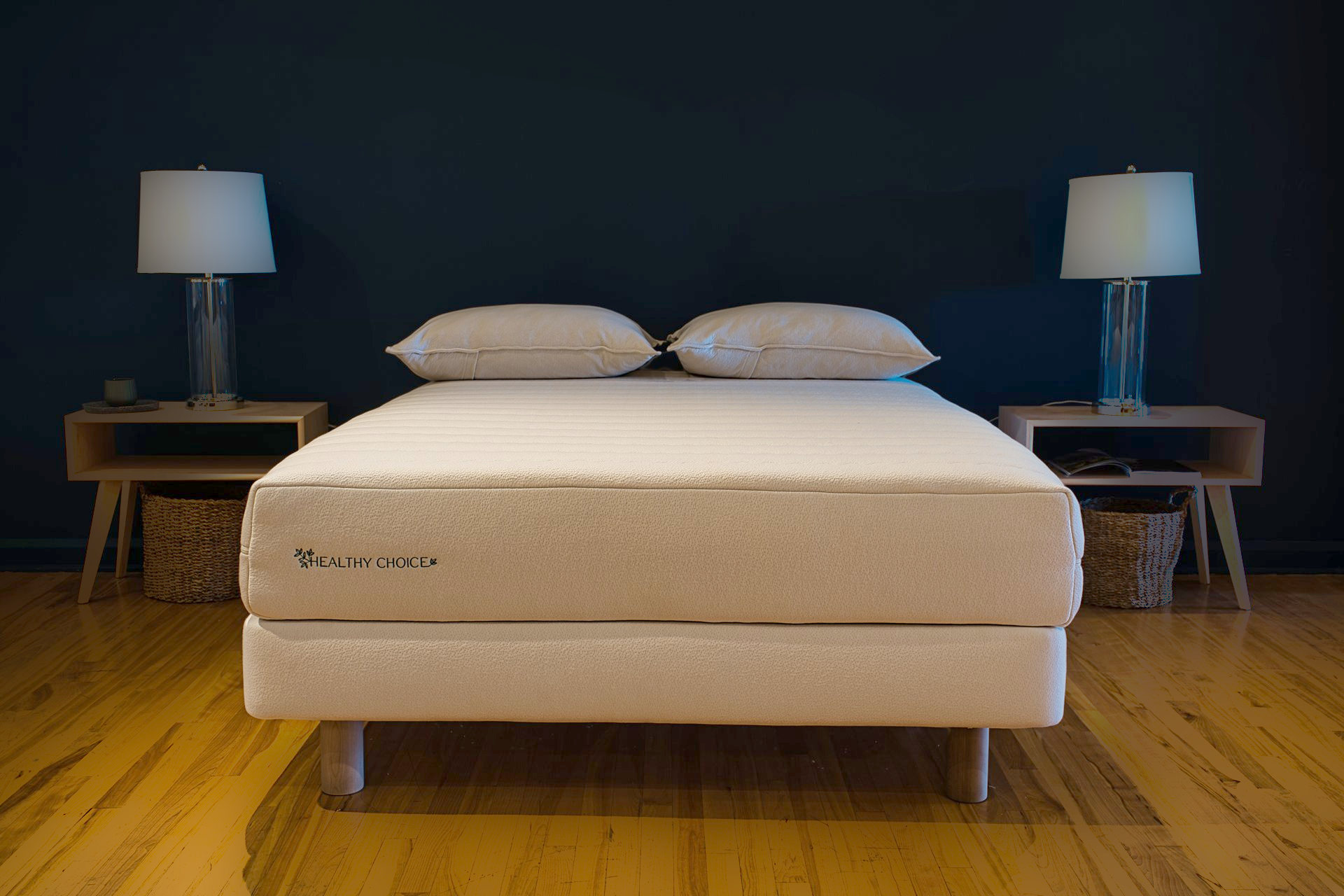
Your mattress significantly affects sleep quality. For instance, the Aster Organic Dunlop Latex Mattress is designed with customization in mind, allowing you to choose the firmness and support that best fits your needs. With its organic materials, this mattress ensures a healthier sleep environment, making it a great choice for those looking to improve their sleep hygiene.
Aster Organic Dunlop Latex Mattress
The Aster 11" organic Dunlop latex mattress is customizable in all three layers, ensuring optimal comfort for every sleeper.
- Your choice: Firm or medium 4" base layer
- Your choice: Firm, medium, or soft 4" middle layer
- Your choice: Medium or soft 3" top layer
Encased in a luxurious organic cotton cover, it also features organic wool filling for temperature control.
Price: $2634.15
Optimize Your Bedding
Choosing organic and breathable bedding can enhance your sleep quality. Look for materials like organic cotton and wool, which are not only comfortable but also free from harmful chemicals. These materials help regulate your body temperature and wick away moisture, creating a more conducive environment for sleep.
Conclusion
Sleep hygiene is an essential aspect of overall health and well-being. By understanding and implementing effective practices, individuals can significantly enhance their sleep quality. Taking inspiration from historical figures and modern experts alike, we can cultivate a sleep environment that promotes restfulness and rejuvenation. Remember, a good night's sleep is not just about how long you sleep, but also about the quality of that sleep.